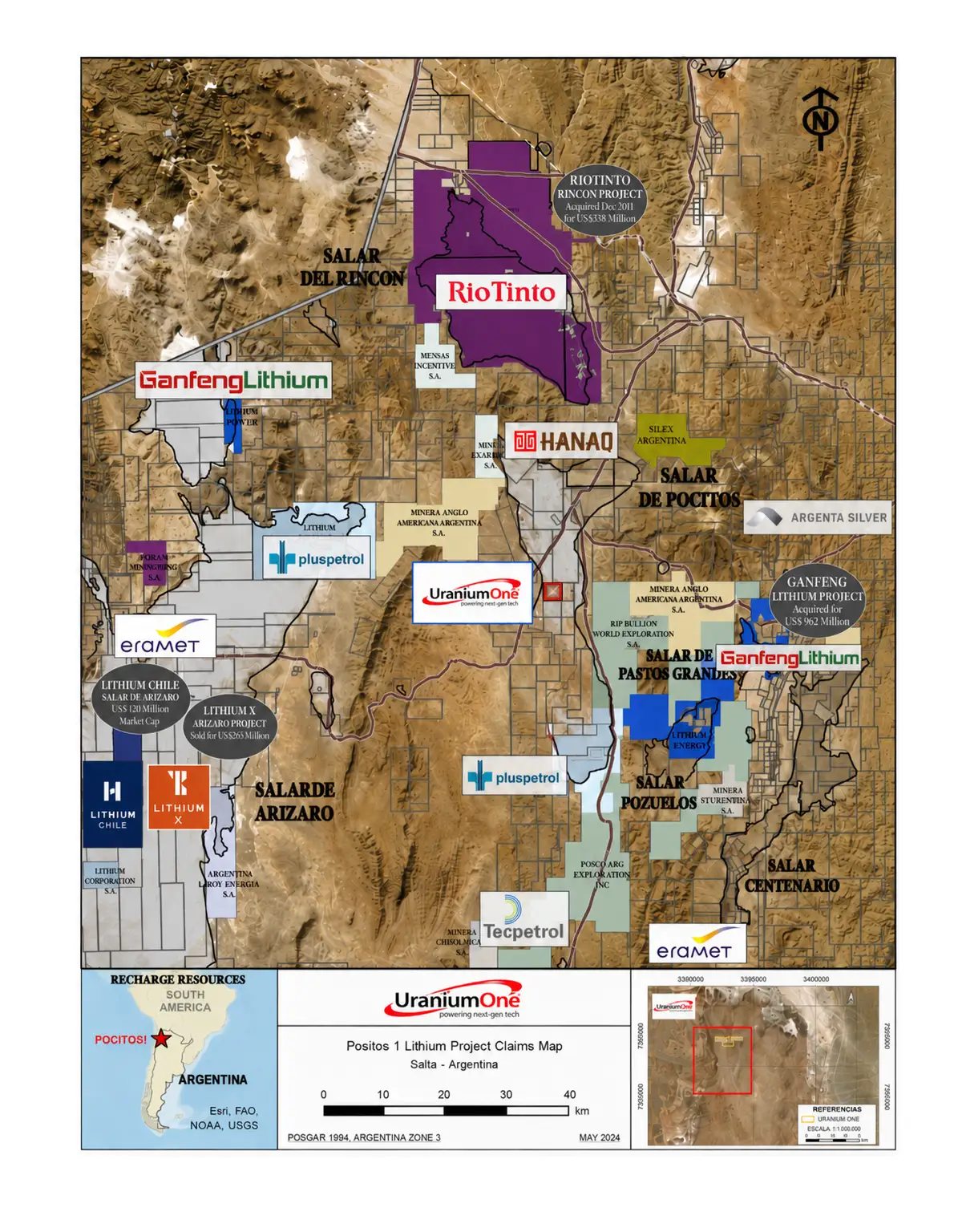
Pocitos 1 Lithium Brine Project – Salta, Argentina
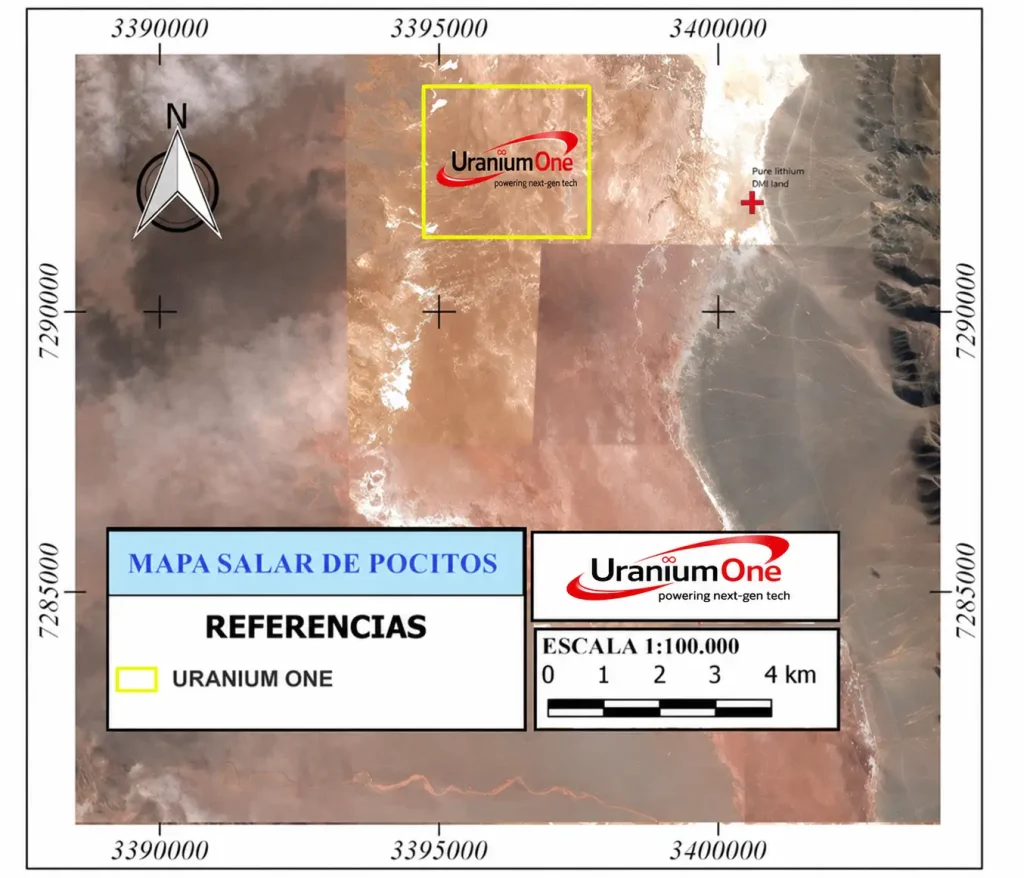
Location: Salar de Pocitos, Puna Plateau, Salta Province, Argentina
Size: ~800 hectares
Status: Advanced exploration stage
Commodities: Lithium (brine)
Infrastructure Proximity: Township of Pocitos (~10 km; gas, electricity, accommodation available)
Overview
The Pocitos 1 Lithium Brine Project is located on the Salar de Pocitos in Salta Province, within the prolific Puna Plateau—one of the most important geological settings for lithium brine deposits globally.
The Puna Plateau is characterized by elevated fault-bounded blocks separated by elongated, endorheic (closed) basins that act as natural traps for fluids and host thick evaporite deposits. These closed basins, combined with a dry climate and high rates of evaporation, provide the ideal environment for the accumulation and concentration of lithium-rich brines.
Surrounding mountain ranges have a north–south (meridian) orientation and their uplift, driven by block faulting, has shaped the basins and controlled sediment input. The Pocitos and Pozuelos basins are divided by the Cordón de Pozuelos, a prominent structural high composed primarily of Ordovician-age rocks that show slight metamorphism.
At the base of the surrounding ranges, extensive coalescing alluvial fans funnel sediments and fluids into the salar system, playing a critical role in the recharge of subsurface aquifers. This geological framework underpins the strong brine flows and lithium mineralization observed during drilling at Pocitos 1.
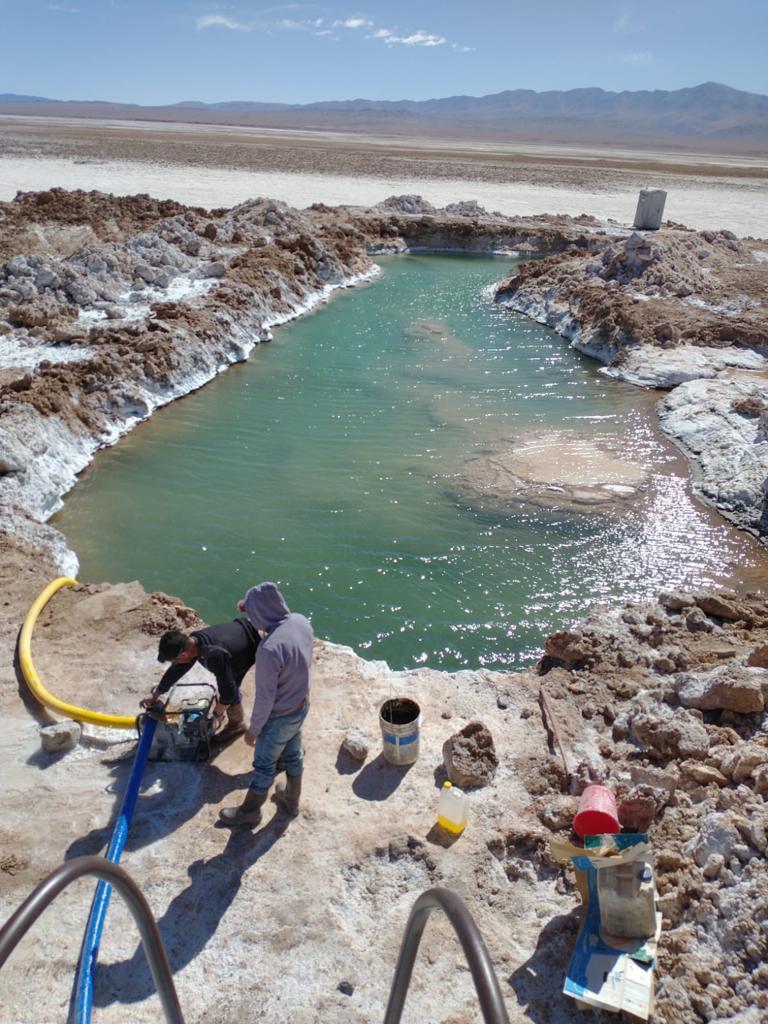
To date, the project has benefited from more than US$2 million in exploration, including geophysics, trenching, sampling, and the drilling of three wells that all intersected lithium-bearing brines with exceptional flow rates. The project covers approximately 800 hectares, located just 10 km from the township of Pocitos, with direct access to gas, electricity, and accommodation.
Drilling Highlights
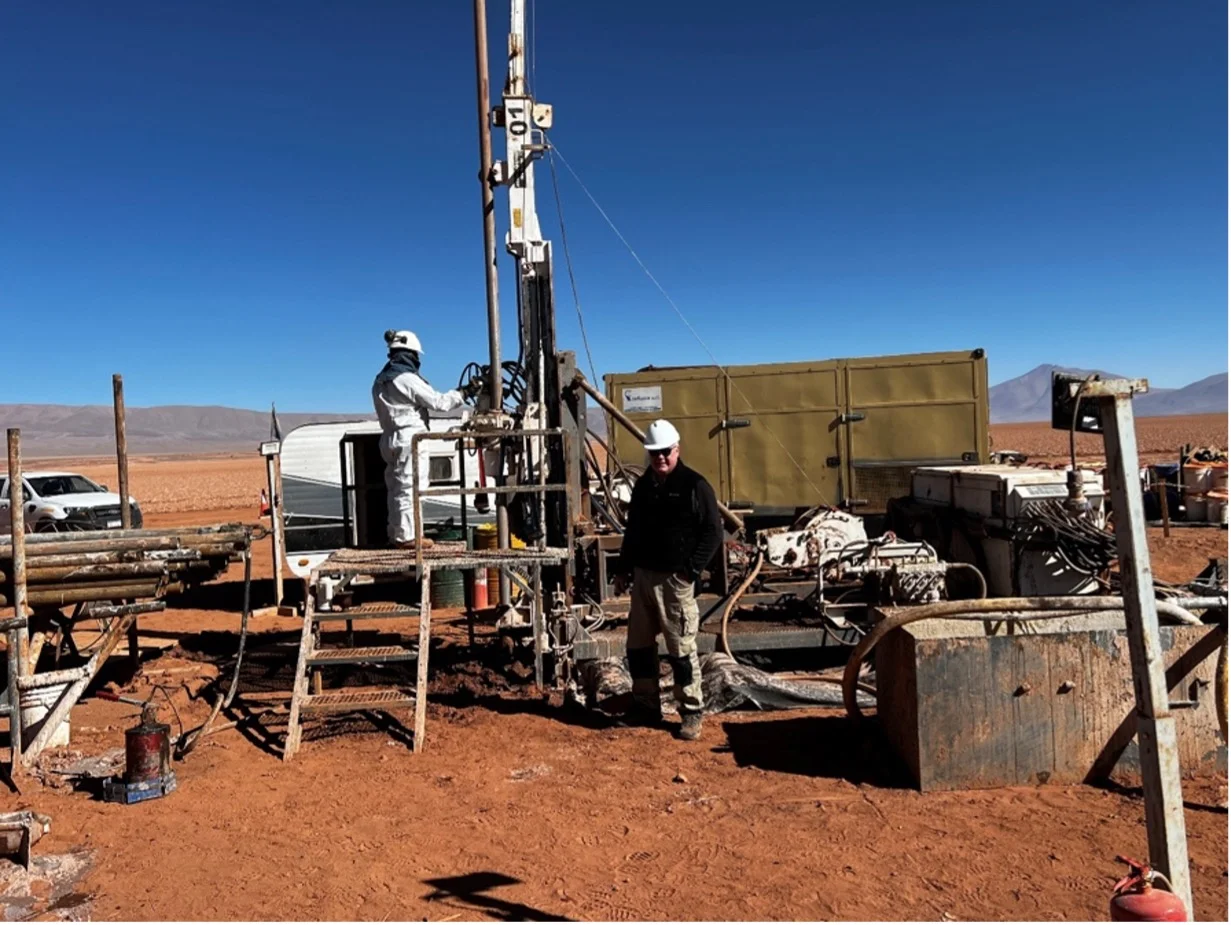
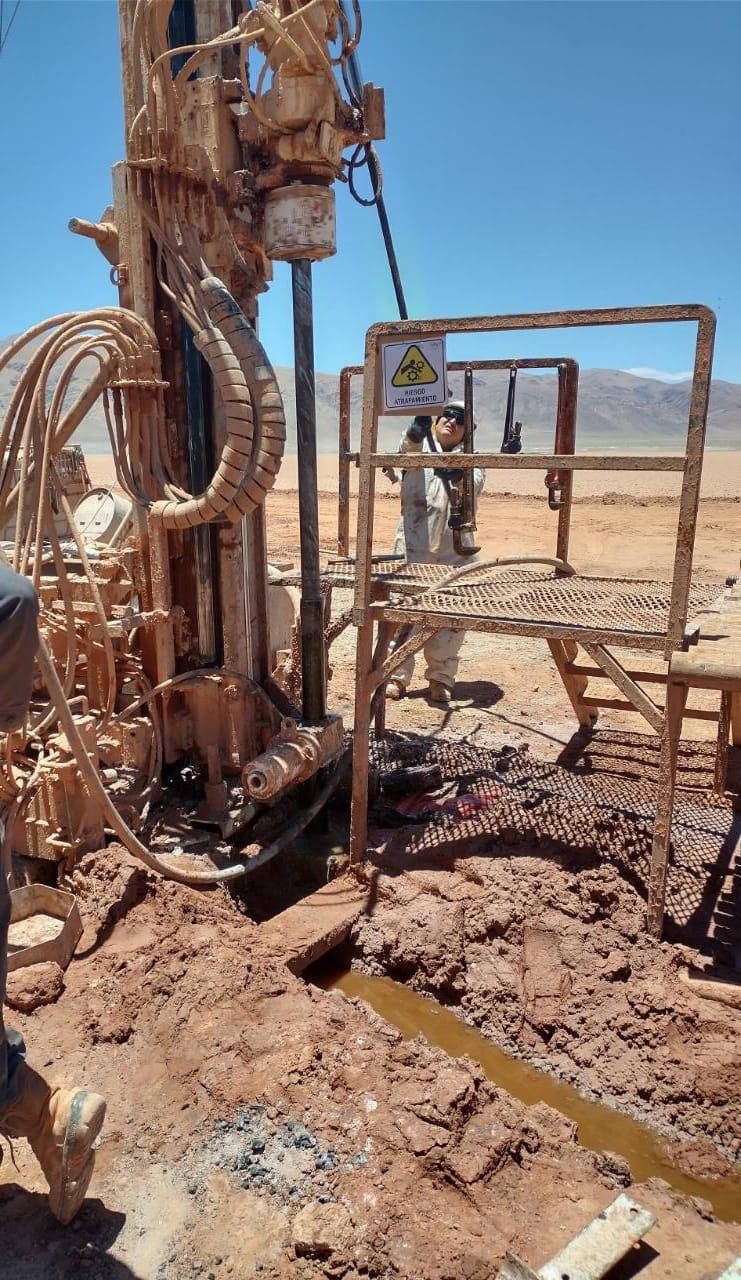
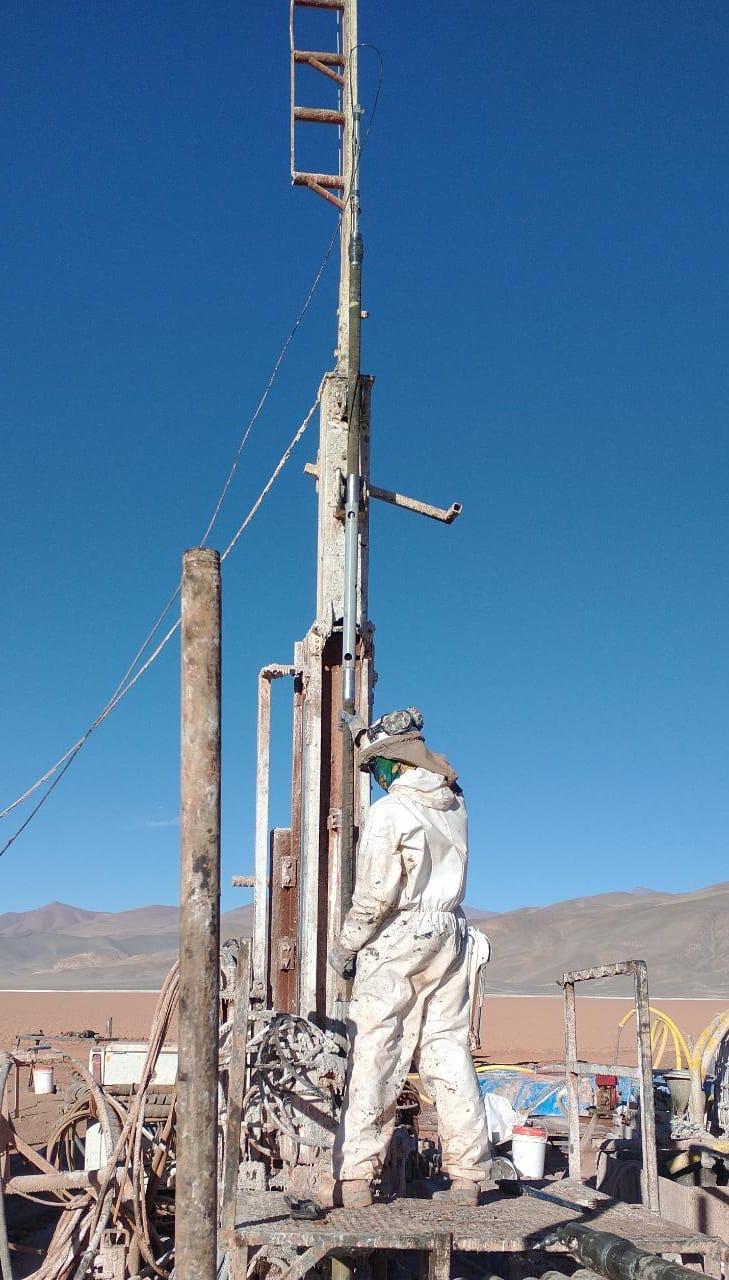
The most recent drill campaign, completed in December 2022, confirmed significant lithium mineralization and brine flows:
169 ppm lithium recorded from Drill Hole 3 (packer test), assayed by Alex Stewart International laboratory.
HQ diamond core drilling achieved depths of up to 409 m.
All wells were sampled using double packer systems, allowing isolated zone testing.
Brine flow rates were exceptional, with continuous flow maintained for over five hours in multiple holes.
The program demonstrated strong potential for a laterally extensive brine aquifer system beneath Pocitos 1.
Geological Setting
Pocitos 1 lies within the Puna Plateau, a high-altitude region characterized by closed basins (endorheic systems) that host thick evaporite sequences and lithium-rich brines.
Key features of the project’s setting include:
Structural Geology: The surrounding mountain ranges trend north–south, formed by block uplift and faulting, which created accommodation space for salar development.
Cordón de Pozuelos: This Ordovician-age ridge of slightly metamorphosed rocks separates the Pocitos and Pozuelos basins, influencing local hydrology.
Alluvial Fans: Extensive fan systems at the basin margins feed sediments and fluids into the salar, an important mechanism for lithium recharge.
Hydrogeology: The basin hosts interconnected brine aquifers at depth, evidenced by sustained flow rates during drilling.
Click the link to view the Pocitos 1 WSP Australia 2023 NI 43-101 Mineral Resource Estimate (MRE): NI 43-101 Technical Report
About Argentina
Argentina is a leading jurisdiction within the world-renowned Lithium Triangle, which also spans Chile and Bolivia. This region hosts more than 50% of the planet’s lithium resources, primarily contained in high-altitude salars (salt flats) across the Andean Puna Plateau.
The country has rapidly emerged as a global hub for lithium exploration and development due to several strategic advantages:
Rich Resource Base – Argentina holds one of the largest lithium brine reserves globally, with proven scalability across multiple projects.
Mining-Friendly Policies – Federal and provincial governments have implemented measures to attract foreign investment, including favorable mining laws, tax incentives, and streamlined permitting processes.
Infrastructure Access – Established road, rail, and energy networks connect key mining regions to ports on both the Atlantic and Pacific coasts, enabling efficient export.
Skilled Workforce & Industry Presence – Argentina benefits from a growing pool of technical expertise and hosts several international mining and energy companies actively advancing lithium projects.
With rising global demand for lithium driven by electric vehicles, energy storage systems, and the clean-energy transition, Argentina continues to solidify its role as a cornerstone in the world’s critical minerals supply chain.